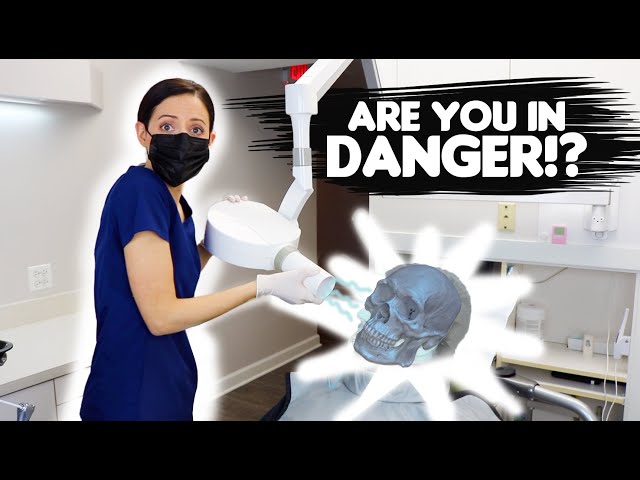
How bad are dentist x rays? Despite their importance in diagnosing dental problems, dental x-rays emit ionizing radiation, which can have harmful effects on the body.
Editor's Notes: "How bad are dentist x rays" was published November 22, 2023. This topic is important to read because it discusses the potential risks of dental x-rays and provides information on how to minimize exposure.
To help you make informed decisions about your dental care, we analyzed and gathered information to put together this guide on "How bad are dentist x rays".
Key Differences
| Exposure | Cancer Risk | |
|---|---|---|
| Dental X-rays | Low | Very small |
| Medical CT scans | High | Small but significant |
Main Article Topics
- The benefits of dental x-rays
- The risks of dental x-rays
- How to minimize your exposure to radiation from dental x-rays
How Bad Are Dentist X-Rays?
Dental x-rays are an important tool for diagnosing dental problems, but they also emit ionizing radiation, which can have harmful effects on the body. The following are six key aspects to consider when evaluating the risks and benefits of dental x-rays:
- Radiation dose: Dental x-rays deliver a relatively low dose of radiation compared to other medical imaging procedures, such as CT scans.
- Cancer risk: The risk of developing cancer from dental x-rays is very small, but it is not zero. The risk is highest for children and adolescents, whose cells are more sensitive to radiation.
- Frequency: The frequency of dental x-rays should be limited to what is necessary for diagnostic purposes.
- Alternatives: In some cases, there are alternative imaging techniques that can be used to reduce radiation exposure, such as digital x-rays and cone beam CT scans.
- Pregnancy: Women who are pregnant or may become pregnant should inform their dentist so that they can take steps to minimize radiation exposure to the fetus.
- Children: Children are more sensitive to radiation than adults, so it is important to limit their exposure to dental x-rays.
Ultimately, the decision of whether or not to have dental x-rays is a personal one. Patients should discuss the risks and benefits with their dentist and make an informed decision based on their individual circumstances.
Radiation dose
The amount of radiation exposure from a dental x-ray is relatively low compared to other medical imaging procedures, such as CT scans. This is because dental x-rays use a narrow beam of radiation that is focused on a specific area of the mouth. CT scans, on the other hand, use a wider beam of radiation that passes through the entire body. As a result, CT scans deliver a much higher dose of radiation than dental x-rays.
The low radiation dose from dental x-rays makes them a relatively safe procedure. However, it is important to note that any exposure to radiation has the potential to cause harm. Therefore, it is important to limit the number of dental x-rays you have taken to what is necessary for diagnostic purposes.
Here is a table comparing the radiation dose from dental x-rays to other medical imaging procedures:
| Imaging procedure | Effective dose (mSv) |
|---|---|
| Dental x-ray | 0.005 |
| Chest x-ray | 0.1 |
| CT scan of the head | 2.0 |
| CT scan of the chest | 7.0 |
As you can see, the radiation dose from a dental x-ray is much lower than the radiation dose from other medical imaging procedures.
Cancer risk
The risk of developing cancer from dental x-rays is very small, but it is not zero. The risk is highest for children and adolescents, whose cells are more sensitive to radiation. This is because the cells in children and adolescents are still developing and are more likely to be damaged by radiation.
The risk of developing cancer from dental x-rays is also higher for people who have a family history of cancer or who have certain genetic conditions.
It is important to weigh the risks and benefits of dental x-rays before deciding whether or not to have them. Dental x-rays can help to diagnose and treat dental problems, but they also expose patients to a small amount of radiation. Patients should discuss the risks and benefits with their dentist and make an informed decision based on their individual circumstances.
Here are some tips to reduce your exposure to radiation from dental x-rays:
- Only have dental x-rays when they are necessary for diagnostic purposes.
- Ask your dentist about using digital x-rays, which emit less radiation than traditional x-rays.
- If you are pregnant or may become pregnant, inform your dentist so that they can take steps to minimize radiation exposure to the fetus.
- Children are more sensitive to radiation than adults, so it is important to limit their exposure to dental x-rays.
| Age group | Recommended frequency of dental x-rays |
|---|---|
| Children under 2 years old | No x-rays recommended |
| Children 2-6 years old | X-rays every 6 months to 1 year |
| Children 7-10 years old | X-rays every 1-2 years |
| Teenagers | X-rays every 2-3 years |
| Adults | X-rays every 3-5 years |
Frequency
The frequency of dental x-rays is an important factor to consider when evaluating their potential risks and benefits. Dental x-rays emit ionizing radiation, which can have harmful effects on the body, including an increased risk of cancer. The risk of cancer from dental x-rays is small, but it is not zero. Therefore, it is important to limit the number of dental x-rays you have taken to what is necessary for diagnostic purposes.
There are a number of ways to reduce the frequency of dental x-rays. One way is to only have dental x-rays when they are necessary for diagnostic purposes. Another way is to ask your dentist about using digital x-rays, which emit less radiation than traditional x-rays. Children are more sensitive to radiation than adults, so it is important to limit their exposure to dental x-rays.
The following table provides a general guideline for the frequency of dental x-rays for different age groups:
| Age group | Recommended frequency of dental x-rays |
|---|---|
| Children under 2 years old | No x-rays recommended |
| Children 2-6 years old | X-rays every 6 months to 1 year |
| Children 7-10 years old | X-rays every 1-2 years |
| Teenagers | X-rays every 2-3 years |
| Adults | X-rays every 3-5 years |
It is important to discuss the frequency of dental x-rays with your dentist and make an informed decision based on your individual circumstances.
Alternatives
Dental x-rays are an important tool for diagnosing dental problems, but they also emit ionizing radiation, which can have harmful effects on the body. The amount of radiation exposure from a dental x-ray is relatively low, but it is not zero. Therefore, it is important to consider alternative imaging techniques that can be used to reduce radiation exposure, such as digital x-rays and cone beam CT scans.
Digital x-rays use a digital sensor to capture images of the teeth and jaws. This eliminates the need for film, which reduces the amount of radiation exposure by up to 90%. Cone beam CT scans use a cone-shaped beam of radiation to create three-dimensional images of the teeth and jaws. This provides more detailed images than traditional dental x-rays, but it also exposes patients to a higher dose of radiation.
The decision of whether to use digital x-rays or cone beam CT scans should be made on a case-by-case basis. Digital x-rays are a good option for routine dental checkups and screenings. Cone beam CT scans may be necessary for more complex dental problems, such as impacted teeth or tumors.
| Imaging Technique | Radiation Dose | Advantages | Disadvantages |
|---|---|---|---|
| Traditional Dental X-Rays | Low | Widely available, relatively inexpensive | Can only provide two-dimensional images |
| Digital X-Rays | Very low | Lower radiation dose than traditional x-rays, can provide more detailed images | More expensive than traditional x-rays |
| Cone Beam CT Scans | Higher | Can provide three-dimensional images, useful for diagnosing complex dental problems | Higher radiation dose than digital x-rays, more expensive |
By understanding the risks and benefits of dental x-rays and the alternatives that are available, patients can make informed decisions about their dental care.
Pregnancy
Dental x-rays are an important tool for diagnosing dental problems, but they also emit ionizing radiation, which can have harmful effects on the body. The fetus is particularly sensitive to radiation, so it is important for women who are pregnant or may become pregnant to inform their dentist so that they can take steps to minimize radiation exposure to the fetus.
- Radiation exposure during pregnancy can increase the risk of birth defects, miscarriage, and childhood cancer. The risk is highest during the first trimester of pregnancy, when the fetus is most rapidly developing.
- Dental x-rays are a relatively low-risk procedure, but it is still important to minimize radiation exposure to the fetus. Women who are pregnant or may become pregnant should discuss the risks and benefits of dental x-rays with their dentist before having them done.
- There are a number of ways to minimize radiation exposure to the fetus during dental x-rays. These include using a lead apron to shield the abdomen, using digital x-rays, and limiting the number of x-rays taken.
- Women who are pregnant or may become pregnant should inform their dentist so that they can take steps to minimize radiation exposure to the fetus. By taking these steps, women can help to protect their unborn child from the harmful effects of radiation.
By understanding the risks of radiation exposure during pregnancy and the steps that can be taken to minimize it, women can make informed decisions about their dental care.
Children
Dental x-rays are an important tool for diagnosing dental problems, but they also emit ionizing radiation, which can have harmful effects on the body. Children are more sensitive to radiation than adults, so it is important to limit their exposure to dental x-rays. The risk of developing cancer from dental x-rays is very small, but it is not zero. The risk is highest for children and adolescents, whose cells are more sensitive to radiation.
There are a number of ways to reduce the risk of radiation exposure to children from dental x-rays. One way is to only have dental x-rays when they are necessary for diagnostic purposes. Another way is to ask your dentist about using digital x-rays, which emit less radiation than traditional x-rays. Parents should also discuss the risks and benefits of dental x-rays with their child's dentist before having them done.
By understanding the risks of radiation exposure to children from dental x-rays and the steps that can be taken to minimize it, parents can make informed decisions about their child's dental care.
| Age group | Recommended frequency of dental x-rays |
|---|---|
| Children under 2 years old | No x-rays recommended |
| Children 2-6 years old | X-rays every 6 months to 1 year |
| Children 7-10 years old | X-rays every 1-2 years |
| Teenagers | X-rays every 2-3 years |
| Adults | X-rays every 3-5 years |
It is important to note that this is just a general guideline. The frequency of dental x-rays for children may vary depending on their individual circumstances. Parents should discuss the risks and benefits of dental x-rays with their child's dentist and make an informed decision based on their child's individual circumstances.
FAQs
This section addresses frequently asked questions about the potential risks and benefits of dental x-rays, providing concise and evidence-based answers to common concerns and misconceptions.
Question 1: Are dental x-rays safe?
Dental x-rays are generally considered safe when performed at appropriate intervals and with proper precautions. The radiation dose from a single dental x-ray is low, and the risk of developing cancer from dental x-rays is very small.
Question 2: How often should I get dental x-rays?
The frequency of dental x-rays depends on individual risk factors and should be determined in consultation with a dentist. Generally, adults may need x-rays every 2-3 years, while children and individuals with a higher risk of dental problems may need more frequent x-rays.
Question 3: Are there alternatives to dental x-rays?
In some cases, alternative imaging techniques, such as digital x-rays or cone beam CT scans, can be used to reduce radiation exposure while still providing valuable diagnostic information.
Question 4: Are dental x-rays safe during pregnancy?
Dental x-rays should be avoided during pregnancy, especially in the first trimester, as the fetus is more sensitive to radiation. If x-rays are necessary, proper precautions, such as using a lead apron to shield the abdomen, should be taken to minimize radiation exposure to the fetus.
Question 5: Are dental x-rays safe for children?
While dental x-rays are generally safe for children, they should be used judiciously and at appropriate intervals. Children's cells are more sensitive to radiation than adults, so it is important to balance the diagnostic benefits of x-rays with the potential risks.
Question 6: How can I reduce my exposure to radiation from dental x-rays?
To reduce radiation exposure from dental x-rays, ask your dentist about using digital x-rays, which emit less radiation than traditional x-rays. Additionally, limit the number of x-rays you have taken to what is necessary for diagnostic purposes.
In conclusion, dental x-rays are valuable diagnostic tools when used appropriately. By understanding the potential risks and benefits, and by taking steps to minimize radiation exposure, you can make informed decisions about your dental care.
Transition to the next article section:
For more information on dental x-rays and oral health, please consult our comprehensive guide to dental care.
Tips to Minimize Radiation Exposure from Dental X-Rays
Dental x-rays are an essential diagnostic tool, but it is important to minimize radiation exposure. Here are some tips to help you reduce your risk:
Tip 1: Discuss with your dentist
Before getting a dental x-ray, talk to your dentist about the reasons for the x-ray and whether there are any alternatives. Discuss your concerns about radiation exposure and ask about steps that can be taken to minimize it.
Tip 2: Use digital x-rays
Digital x-rays emit up to 90% less radiation than traditional x-rays. Ask your dentist if they offer digital x-rays and opt for this option whenever possible.
Tip 3: Limit the number of x-rays
Only get dental x-rays when they are necessary for diagnostic purposes. Avoid unnecessary or excessive x-rays, especially if you are pregnant or have children.
Tip 4: Protect your body
When getting a dental x-ray, ask for a lead apron to shield your body from radiation. This is especially important for pregnant women and children.
Tip 5: Keep a record
Keep a record of your dental x-rays, including the dates, types of x-rays, and the reasons for them. This will help you track your radiation exposure and make informed decisions about future x-rays.
Summary:
By following these tips, you can reduce your exposure to radiation from dental x-rays while still getting the necessary diagnostic information. Remember to talk to your dentist about your concerns, choose digital x-rays when possible, limit the number of x-rays, protect your body, and keep a record of your x-rays.
Transition to the article's conclusion:
Dental x-rays are a valuable tool for maintaining good oral health, but it is important to use them wisely and minimize radiation exposure. By following these tips, you can protect your health and make informed decisions about your dental care.
Conclusion
Dental x-rays are an essential diagnostic tool in dentistry, providing valuable information about the health of your teeth and gums. However, it is important to be aware of the potential risks of radiation exposure and to take steps to minimize it.
While the risk of developing cancer from dental x-rays is very small, it is not zero. Children and adolescents are more sensitive to radiation than adults, so it is particularly important to limit their exposure to dental x-rays.
To minimize radiation exposure from dental x-rays, ask your dentist about using digital x-rays, limit the number of x-rays you have taken, protect your body with a lead apron, and keep a record of your x-rays.
By following these tips and discussing your concerns with your dentist, you can make informed decisions about your dental care and reduce your exposure to radiation from dental x-rays.
Youtube Video:




No comments:
Post a Comment